As an Amazon Associate, we earn from qualifying purchases. Some links on this site are affiliate links at no extra cost to you. Our recommendations are based on thorough research and editorial judgment.
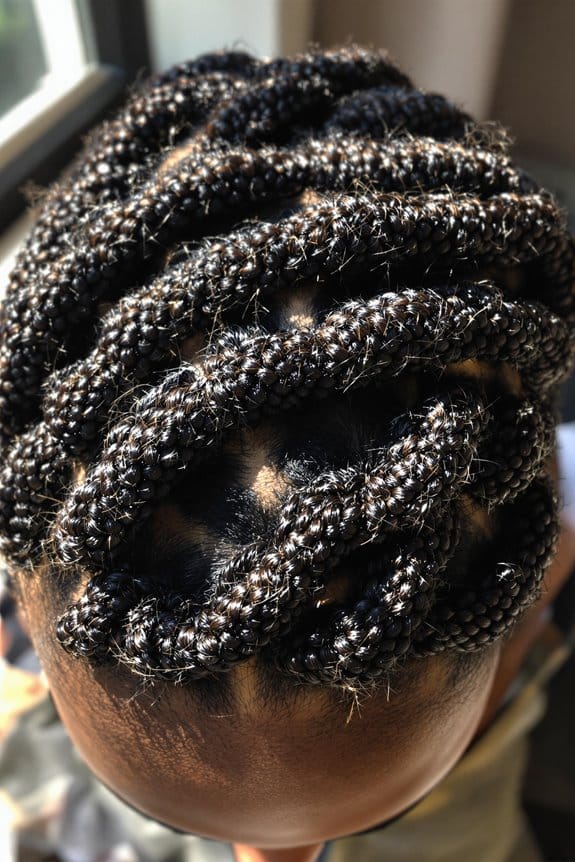
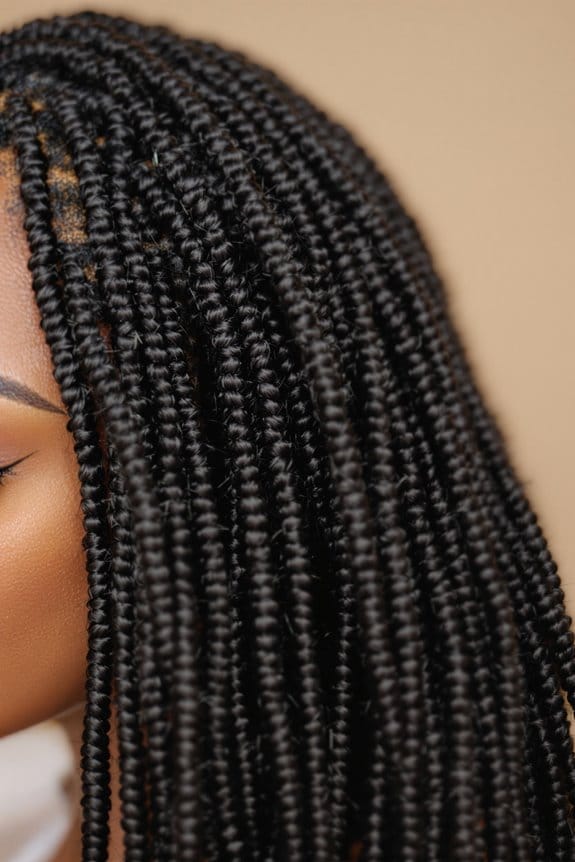
What Makes Perfect Protective Styles For Natural Hair?

Perfect protective styles for natural hair combine gentle installation with strategic maintenance. You'll want to focus on styles that keep your ends tucked away, like box braids, cornrows, or Bantu knots, while ensuring they're not installed too tightly. Regular moisturizing with specialized oils and wearing a silk or satin scarf at night will maximize your style's effectiveness. The key is limiting each protective style to 6-8 weeks, followed by proper cleansing and deep conditioning. Successful protection shows through reduced breakage, improved length retention, and a healthy scalp – but there's much more to mastering the perfect protective style technique.
Key Takeaways
- Protective styles must evenly distribute tension and avoid tightness to prevent traction alopecia and maintain scalp health.
- Installation should keep hair ends tucked away and require minimal daily manipulation to reduce breakage and promote growth.
- Regular moisturizing with specialized oils and proper cleansing every 1-2 weeks maintains scalp health during protective styling.
- Duration should not exceed 6-8 weeks, with regular assessments for looseness, frizz, and necessary maintenance adjustments.
- Proper preparation includes thorough detangling, deep conditioning, and regular trims every 3 months to prevent split ends.
Essential Elements of Protective Styling
When choosing protective styles for natural hair, understanding the fundamental elements can make the difference between healthy growth and potential damage. Your protective hairstyles should focus on effectively tucking away your hair ends, which is vital for reducing breakage and promoting healthy hair growth. You'll want to select styles that require minimal daily manipulation, allowing your hair to thrive with less interference.
To maintain ideal scalp health while wearing protective styles, you'll need to moisturize scalp regularly with specialized oils. Remember, you're not just protecting your strands – you're nurturing your entire hair system from root to tip. When installing your chosen style, make sure tension is distributed evenly to protect against traction alopecia, particularly around those delicate edges. It's like giving your hairline a much-needed vacation from stress!
Incorporating products designed for moisture retention can enhance the health of your protective styles. Don't forget to perform regular assessments of your protective styles every few weeks. You'll want to keep them in for 6-8 weeks maximum, watching for signs that it's time for a change. This sweet spot allows enough time to protect hair ends while preventing potential issues from prolonged wear.
Preparing Your Natural Hair
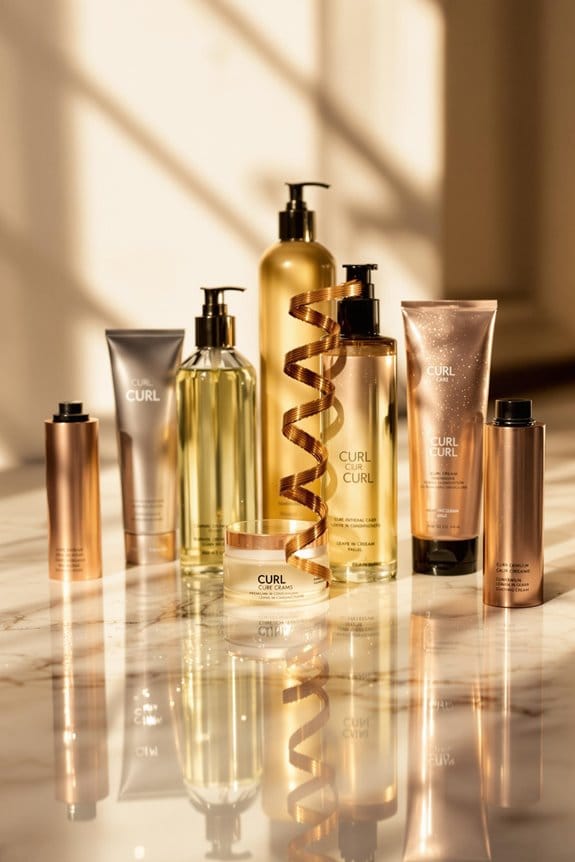
Preparing your natural hair properly sets the foundation for a successful protective style that can last for weeks. Your hair care routine should begin with a thorough cleansing using a sulfate-free shampoo, which gently removes product buildup without stripping your hair's natural oils.
Next, you'll want to apply a deep conditioning treatment that'll restore moisture and strengthen your strands. Products containing shea butter or coconut oil work wonders here – think of them as a drink of water for your thirsty tresses! Once you've let the treatment work its magic, it's time to carefully detangle your hair using a wide-tooth comb or your fingers. Trust us, your hair will thank you for being gentle.
Before moving forward with your protective styles, apply a leave-in conditioner followed by a light oil to moisturize your scalp and protect your hair. This double-duty approach seals in moisture and creates a protective barrier. Don't forget to trim split ends – it might seem counterintuitive when you're trying to grow your hair, but regular trims actually promote healthy hair growth and guarantee your style looks polished and professional. Additionally, using a quality leave-in product can significantly enhance shine and combat humidity, ensuring your protective style stays looking fresh.
Recommended Products

Hydrates and strengthens hair for improved manageability

Strengthens and thickens hair with biotin

Premium Cambodian Raw Human Hair: 100% unprocessed raw Cambodian virgin human hair. Cuticle aligned, shine, and tangle-free wear. Thick from root to tip with no chemical treatment. Can be dyed, bleached, or restyled. Use setting spray to hold curls
Most Effective Protective Style Options
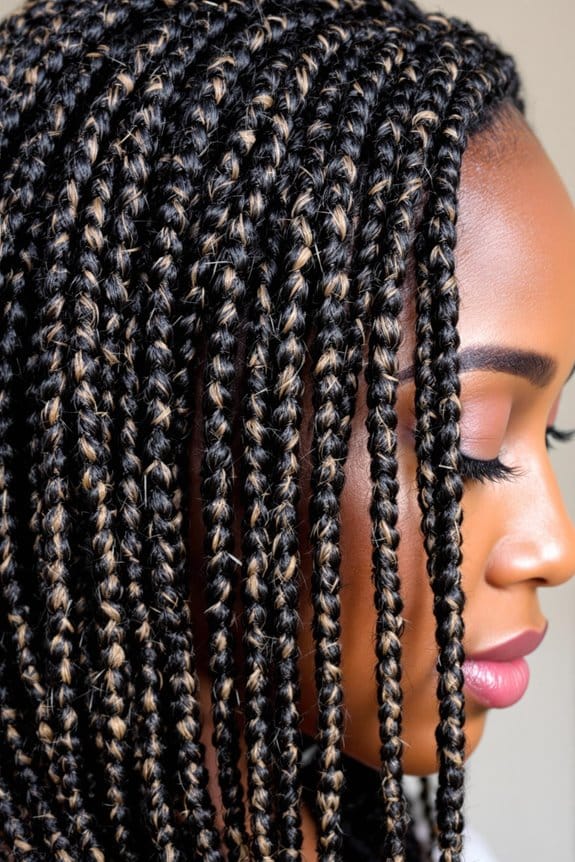
Among the many ways to protect your natural hair, certain protective styles stand out for their effectiveness and versatility. Box braids, a timeless favorite, offer exceptional moisture retention and can last up to eight weeks when properly maintained. You'll appreciate their low manipulation requirements, which give your natural hair a much-needed break from daily styling.
If you're looking for versatile protective styles that combine fashion with function, faux locs and cornrows are excellent choices. While faux locs provide the aesthetic of traditional locs without the commitment, cornrows can be designed in countless patterns to suit your style preferences. For those busy days when you need a quick transformation, crochet braids deliver stunning results while keeping your natural hair safely tucked away from environmental damage.
Don't overlook Bantu knots, which serve double duty as both a protective style and a curl-setting method. When you're ready for a change, simply unravel them for beautifully defined curls. Each of these styles offers unique hair health benefits, from reducing breakage to promoting length retention. The key is choosing the protective style that best aligns with your lifestyle and hair goals. Additionally, incorporating lightweight formulations in your hair care routine can help maintain moisture levels and prevent buildup during the use of protective styles.
Recommended Products

100% Virgin Human Hair – Our human hair bundles are cut directly from a single young donor, unprocessed and chemical‑free. These bundles human hair contain no synthetics or animal hair, giving you true hair extensions real human hair that are silky, clean, and healthy. Ideal for quick weaves or custom wigs with a natural finish

【100% Raw Indian Hair – Premium Quality】100% unprocessed Indian virgin human hair with intact cuticles, no synthetic mix, no chemical damage. Each bundle is hand-selected for premium salon-grade quality and long-term durability.

ISSEY KASUMI Flagship-Grade Quality: Higher Than 12A-18A Brazilian & Cambodian Hair. Tired of thin, frizzy, non-luxurious hair? ISSEY KASUMI’s 100% unprocessed raw Indian hair (single donors, aligned cuticles) redefines premium quality, outperforming 12A-18A Brazilian/Cambodian hair in durability and fullness. Sturdy double machine weft, 100±5g bundles offer ultra-thick opulence (no sparseness!), chemical-free, odorless, passes 200g pull test—ideal for brunch, office meetings, last-minute dates
Daily Maintenance and Care
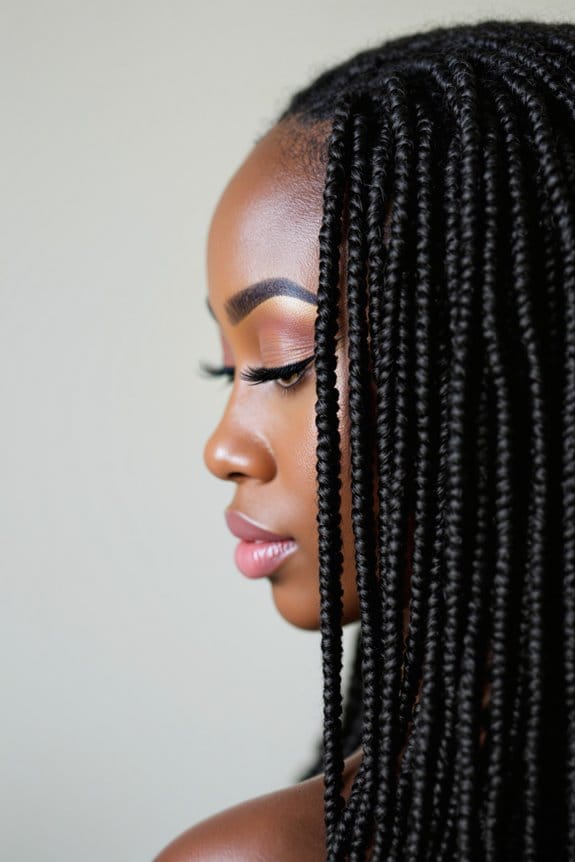
Every protective style requires consistent daily maintenance to preserve its integrity and promote healthy hair growth. You'll need to establish a routine that focuses on scalp hydration using specialized oils, which helps maintain ideal moisture retention and prevents uncomfortable dryness. Don't forget to apply light moisturizing treatments, including a quality leave-in conditioner, to keep your strands healthy without creating product buildup. Additionally, consider incorporating products with natural ingredients that promote hair health, like Aloe Vera and Coconut Oil, into your regimen for enhanced moisture and nourishment.
Before bed, you'll want to protect your style by wrapping your hair in a silk or satin scarf – or using a similar pillowcase – to reduce friction and keep those pesky flyaways at bay. It's like giving your hair its own cozy, protective bedroom! Make sure you're regularly evaluating the condition of your protective style, scheduling touch-ups every few weeks as needed. Weekly care should include a thorough cleansing session with a sulfate-free shampoo, followed by a deep conditioning treatment to restore moisture. Think of it as your hair's weekly spa day! By maintaining this consistent care routine, you'll maximize the benefits of your protective style while keeping your natural hair healthy and thriving underneath.
Recommended Products

1. Raw Material -- 100% Human Hair, feels incredibly soft and can be styled just like your own hair.pre plucked bleached knots wig with baby hair
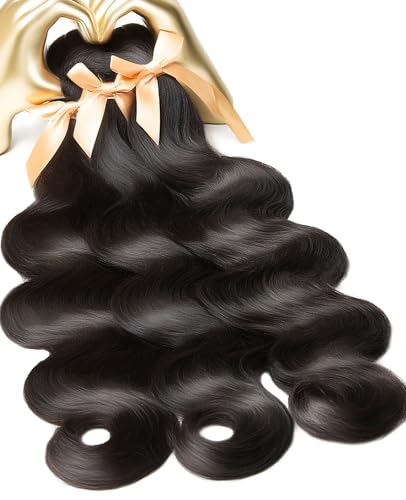
MLIP Flagship-Grade Quality: Higher Than 12A-18A Brazilian & Cambodian Hair | Tired of thin, frizzy hair that’s not luxurious? Finally, MLIP’s 100% unprocessed raw Indian hair (from single donors with aligned cuticles) redefines premium quality—outperforming 12A-18A Brazilian/Cambodian hair in durability and fullness. Sturdy double machine weft, 100±5g bundles deliver ultra-thick opulence (no sparseness!). Chemical-free, odorless, safe for daily wear, passes 200g pull test (zero breakage) — perfect for brunch, office meetings, last-minute dates.

QTHAIR 18A Grade Brazilian Loose Deep Wave Human Hair Bundles(Carefully Selected from Young Donor) 100% Unprocessed Peruvian Loose Deep Wave Human Hair Bundles. Can be Dyed, Bleached and Styled,Looks Realistic As Your Own Hair.
Common Styling Mistakes to Avoid
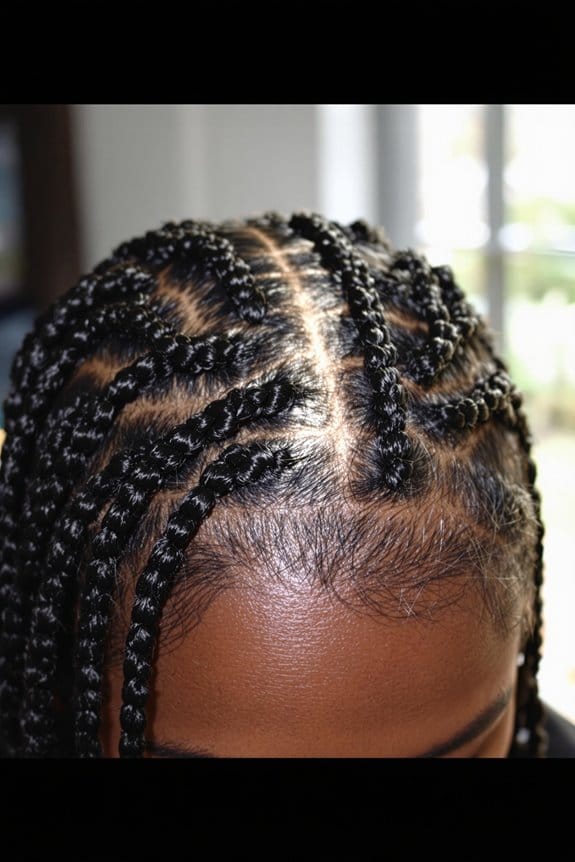
Many naturalistas unknowingly make styling mistakes that can compromise their protective styles and hair health. One of the most damaging styling mistakes is installing protective hairstyles too tightly, which can lead to traction alopecia and unnecessary stress on your scalp and edges. You'll want to guarantee you can comfortably move your eyebrows without feeling tension.
Before you begin any protective styles, it's vital to thoroughly detangle your hair to prevent hair breakage during the installation process. While you might be tempted to leave your protective hairstyles in for extended periods, wearing them beyond 8 weeks can actually do more harm than good. Your hair needs regular breaks to maintain proper moisture retention and overall health.
Another common mistake is overloading your hair with heavy hair products. This can create buildup and actually block moisture from penetrating your strands. You'll also want to regularly check your scalp's condition – don't fall into the "install and forget" trap. Make it a habit to inspect your protective styles weekly for signs of excessive tension, hair loss, or scalp irritation. Remember, protection shouldn't come at the cost of hair health.
Length Retention Through Protection
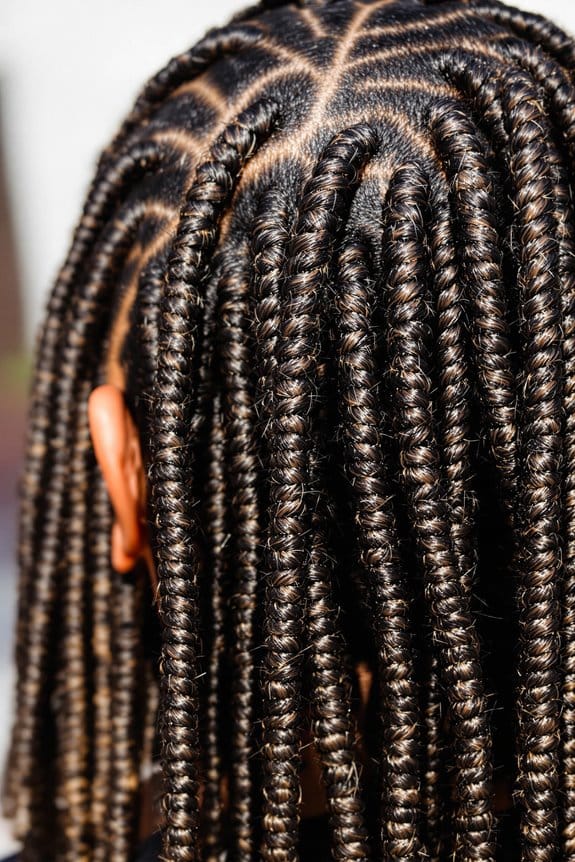
Success in length retention comes down to a strategic approach with protective styles. When you're aiming to grow longer, healthier hair, these protective hairstyles serve as your hair's personal bodyguard, working around the clock to minimize manipulation and reduce breakage. You'll want to keep your styles in place for about six weeks – think of it as giving your hair a well-deserved vacation from daily styling stress.
To maximize your length retention journey, you'll need to focus on hair hydration. Quality moisturizing products are your best friends here, helping to prevent the dreaded brittleness that can sabotage your progress. Don't forget about those regular trims every three months – yes, even while wearing protective styles. It might seem counterintuitive to cut while trying to promote growth, but trust us, those quarterly trims are preventing split ends from traveling up your strands.
Remember to regularly assess your protective style's condition. When you notice loosening or frizzing, it's time for some maintenance. A quick re-twist or re-braid can extend your style's lifespan while ensuring your hair continues its healthy growth journey.
Recommended Products

EFFORTLESS INSTALLATION WITH PRE-DRILLED COMPONENTS: Our wall-mounted vanity comes with an open back design and pre-drilled components for quick assembly, allowing you to install it in less than 30 minutes without any hassle.Perfect for those seeking convenience and efficiency

[DESIGNER AESTHETIC]: SAFAVIEH's Kashan Collection area rug features a timeless traditional design in ivory & red; machine-woven construction suits living room, bedroom, dining space

Powerful 2300Pa Suction with 3 Adjustable Levels – The iMartine BR151 delivers strong 2300Pa suction power, easily picking up dust, crumbs, and pet hair from hard floors and low-pile carpets. Choose from three suction modes to match your cleaning needs – low for daily maintenance, medium for regular cleaning, and high for deep cleaning sessions.
Scalp Health During Styling
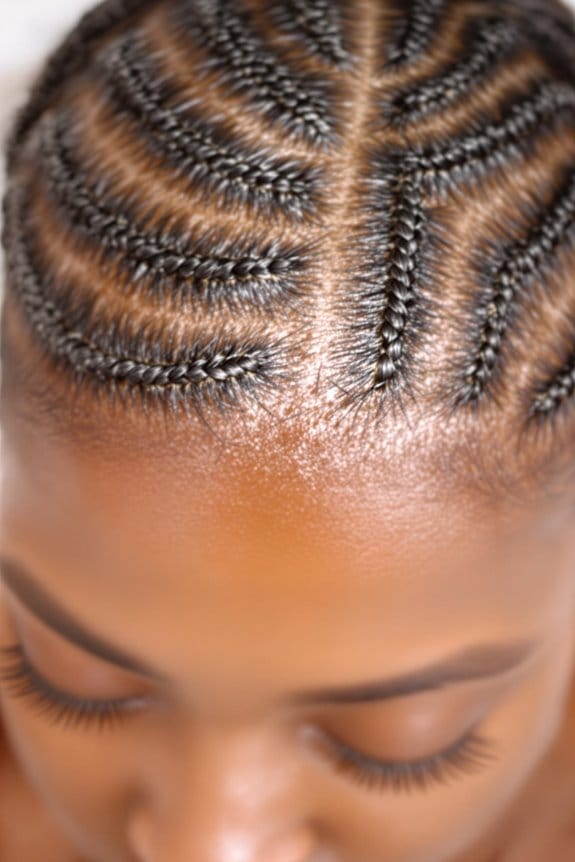
While focusing on length retention, it's easy to overlook what's happening underneath those beautiful protective styles. Your scalp health plays an essential role in maintaining your natural hair's liveliness, and it deserves just as much attention as your styling routine.
To keep your scalp healthy during protective styles, you'll need to establish a consistent maintenance routine. Make it a habit to cleanse your scalp every 1-2 weeks, even when wearing braids or twists. You can use lightweight oils and specially formulated sprays to keep your moisturized scalp free from buildup without weighing down your style.
Don't underestimate the power of daily scalp massages with nourishing oils. They're not just relaxing – they're actively promoting hair growth by improving blood circulation to your follicles. However, be mindful of how your protective styles are installed. Gentle installations are non-negotiable, as tight styles can lead to traction alopecia, a form of hair loss you definitely want to avoid. When you notice any scalp discomfort or excessive tension, it's time to loosen or remove the style. Remember, your protective styles should protect, not compromise, your scalp's well-being.
Products for Long-Lasting Results
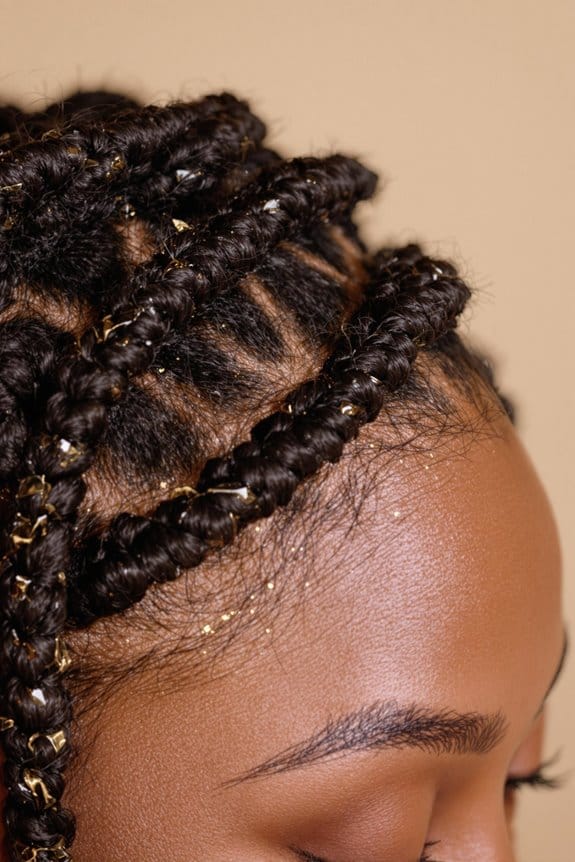
Investing in quality hair care products makes the difference between a protective style that thrives and one that quickly deteriorates. Your journey to healthy hair begins with strategic product selection, focusing on moisture retention and breakage prevention. For ideal results, start with a sulfate-free shampoo like Wash Day Delight in your cleaning routine to maintain your scalp's natural balance.
Before installing your protective styles, you'll want to treat your hair to a thorough deep conditioning session. This vital step creates a foundation for lasting hydration and strength. Once styled, maintain your look with specialized products like the Pomegranate & Honey Leave-In Conditioner ($12.99), which locks in moisture and promotes hair health. To nourish scalp and strands, incorporate the Rosemary Mint Scalp & Hair Strengthening Oil ($9.99) into your regular care routine.
Don't forget about those edges! Lightweight gels, such as the Pomegranate & Honey Super Hold Edge Gel ($7.00), will keep your hairline sleek without causing unwanted buildup. Remember, the key to long-lasting protective styles isn't just in the installation – it's in the quality products you choose to maintain them.
Recommended Products

INSTANTLY TRANSFORM DRY, DAMAGED HAIR: Elevate your daily cleanse with this moisturizing shampoo duo, clinically proven to reduce hair breakage from the very first use while restoring vitality to every strand. From brittle, color-treated hair to curls prone to dryness and frizz, the formula delivers immediate softness, bounce, and luminous shine—turning lackluster locks into silky, touchable perfection from the very first wash

100% HUMAN HAIR BUNDLES — 18A BRAZILIAN BODY WAVE Our body wave bundles human hair are made of 100% unprocessed virgin Brazilian human hair, 18A grade, soft, smooth, and tangle-free. Unlike synthetic blends, these human hair bundles for sew in can be washed, curled, dyed, and bleached just like your own hair.

Brand Positioning: Only sell high-end RAW hair, born only for beauty
Signs of Successful Protection
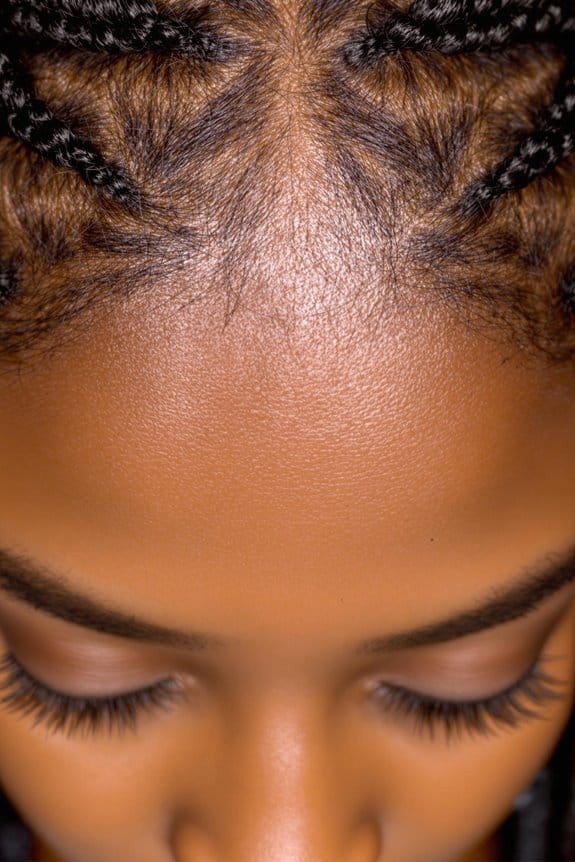
Throughout your protective styling journey, identifying positive signs helps confirm you're on the right track. When your protective styles keep your ends tucked away from environmental damage, you're already winning half the battle. You'll notice less breakage and improved length retention as your hair stays safely concealed.
A successful protective style should last between a few days to 8 weeks, with an ideal duration of about 6 weeks. If you're able to maintain your style without constant adjustments, that's a clear indicator of effective low maintenance protection. Watch for signs of excessive scalp tension, though – your style shouldn't cause any discomfort or pulling sensation.
Your moisturization routine is essential for success. When you can easily apply products to your scalp and hair while wearing the style, you're setting yourself up for healthy hair growth. Pay attention to how your hair responds – if you're experiencing minimal shedding and your strands feel moisturized rather than brittle, you've found a winning combination. Remember, the goal isn't just to look good temporarily but to promote long-term hair health through proper protection.
Frequently Asked Questions
What Protective Style Is Best for Natural Hair?
You'll find box braids, knotless braids, and twists are excellent protective styles for natural hair. They're low-maintenance, versatile, and protect your ends while promoting growth. Consider your lifestyle when choosing between options.
What Makes a Hairstyle Protective?
A hairstyle becomes protective when it safeguards your hair by minimizing manipulation, retaining moisture, preventing breakage, and reducing tension on your scalp while allowing for natural hair growth and maintenance.
What Hairstyle Is Healthiest for Your Hair?
Low-manipulation styles that protect your hair while allowing moisture retention and scalp health are healthiest. You'll benefit from protective styles that reduce stress, prevent damage, and promote hair growth while maintaining hydration.
What Style Is Best for Natural Hair?
You'll find protective styles like braid types, twist styles, and cornrow techniques best for your natural hair. Incorporate faux locs, crochet styles, or updo variations, and don't forget head wraps for added protection.