As an Amazon Associate, we earn from qualifying purchases. Some links on this site are affiliate links at no extra cost to you. Our recommendations are based on thorough research and editorial judgment.

7 Expert Tricks to Stop Split Ends Forever

You'll banish split ends with these seven expert-backed techniques. Start with regular trims every 6-8 weeks to prevent damage from traveling up the hair shaft. Always use heat protectant before styling, and keep tools below 350°F. Master proper washing techniques, including sulfate-free shampoos and cool water rinses. Switch to microfiber towels for gentle drying, and deep condition weekly to maintain moisture. Protect your hair while sleeping with silk pillowcases and loose braids. Finally, embrace protective styling options like loose buns and twists. These proven strategies will transform your hair from fragile to fabulous, and there's even more to discover.
Key Takeaways
- Schedule regular trims every 6-8 weeks to remove damaged ends before they travel up the hair shaft.
- Use heat protectant products before styling and keep hot tools below 350°F to prevent heat damage.
- Switch to a silk or satin pillowcase and apply leave-in conditioner before bed to minimize friction.
- Opt for protective hairstyles like braids or buns, using soft scrunchies instead of tight elastic bands.
- Reduce washing frequency to 2-3 times weekly and use sulfate-free shampoos to maintain natural moisture balance.
Regular Trims Are Essential
Nearly every woman faces the battle against split ends, but regular trims are your strongest weapon in this fight. If you're among the 80% of women dealing with this common hair concern, you'll need to commit to maintenance every 6-8 weeks to keep your locks looking their best.
When you maintain regular trims, you're not just cutting off split ends – you're actually preventing future damage from traveling up your hair shaft. Think of it like stopping a tiny tear in fabric before it becomes a massive rip. The dusting technique is particularly effective if you're trying to grow your hair longer while still maintaining healthy ends. You'll only remove the damaged tips, allowing you to preserve length while promoting stronger hair growth.
Don't let the fear of losing length keep you from scheduling those crucial trims. By removing damaged ends consistently, you're actually supporting your hair's natural vitality and reducing overall frizziness. Your hair will not only look better but will also become more manageable, with fewer tangles and less breakage. Additionally, maintaining scalp health is crucial for promoting overall hair strength and vitality. Remember, healthy ends lead to healthier hair growth overall.
Use Heat Protection Every Time
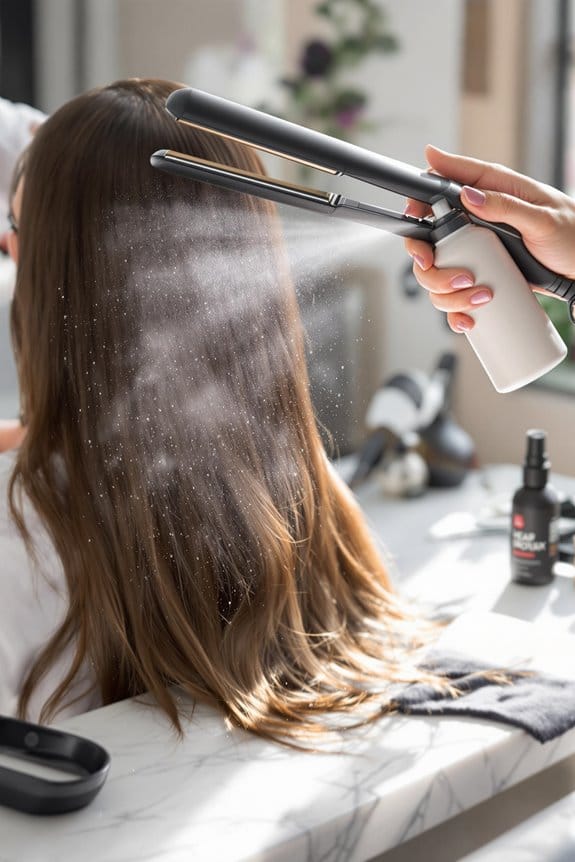
A good heat protectant is your hair's shield against styling damage. If you're using hot tools without protection, you're fundamentally leaving your hair defenseless against temperatures that can seriously damage your hair. To maintain healthy hair, always apply a heat protectant before reaching for your styling tools – it'll reduce heat damage by up to 50% and keep your hair cuticle intact.
When selecting your heat protectant, look for products containing silicones or oils – they're your best bet for creating a protective barrier. Here's the trick: don't just spray and go. Section your hair and make sure the product is evenly distributed from roots to ends. A quick run-through with a comb will guarantee you haven't missed any spots.
Remember to keep your styling tools at a low effective temperature, ideally below 350°F. Even with protection, there's no need to crank up the heat unnecessarily. While you're at it, check your tools regularly – damaged plates are split ends waiting to happen. Think of it this way: clean, well-maintained tools plus proper heat protection equals fewer split ends and healthier hair overall. Additionally, using a quality leave-in treatment(Instant Fix Leave-In Treatment Spray) can further enhance protection and nourish your hair.
Recommended Products

A sleekening blowout spray with heat protection

SALON GRADE FORMULA: Get silky straight hair in 1/2 the time. Breathe new life into your hair and stop heat damage. Revitalize shine, prevent frizz, eliminate kink and color-safe protection. Formulated to blend hair extensions to existing hair

HAIR SPRAY - An invisible hairspray that offers a natural and flexible hold for hairstyles while maintaining movement and flexibility. It provides the perfect balance of flexible hold, natural results, and haircare to enhance any look.
Master Proper Hair Washing Techniques

While protecting your hair from heat is essential, even the best heat protectant won't save your strands if you're not washing them properly. The way you treat your hair during washing can make or break your fight against split ends, quite literally.
Start by reducing your shampooing frequency to just 2-3 times per week. Daily washing might seem like good hygiene, but it's actually stripping your hair of crucial moisture and natural oils. When you do wash, choose sulfate-free shampoos that'll help maintain your hair's natural moisture balance. Focus on massaging the shampoo into your scalp rather than piling your hair on top of your head – let the suds naturally work their way down your strands.
Here's a game-changer: finish with a cool water rinse to seal your hair's cuticle. This simple step can greatly prevent frizz and protect against future split ends. After washing, resist the urge to roughly towel-dry your hair. Instead, gently blot with a microfiber towel to minimize friction and reduce breakage. Think of it as treating your wet hair like your favorite silk blouse – with gentle care and respect. Additionally, incorporating a quality leave-in treatment can provide extra moisture and protection against damage between washes.
Choose Gentle Drying Methods

Three key drying methods can make or break your battle against split ends. To avoid causing more damage to your strands, you'll need to master these gentle drying methods that protect hair from unnecessary stress.
Your first line of defense is switching to a microfiber towel, which you'll find far gentler than traditional cotton ones. When using it, don't rub your hair vigorously – instead, blot hair gently to reduce risk of breakage. You'll want to limit towel-drying time to prevent excess moisture exposure that can weaken your strands.
The safest approach is to air dry whenever possible. It's nature's way of drying your locks without any mechanical stress – who knew doing less could actually help more? However, if you're pressed for time and need to use a blow dryer, don't skip the heat protectant. Apply it generously to damp hair, then keep your dryer on low or medium heat. Position it at least six inches from your head and keep it moving to distribute heat evenly. Remember, the gentler you are during the drying process, the fewer split ends you'll face down the road. Additionally, incorporating a moisturizing treatment such as Isoplus Castor Oil Conditioner can help maintain hydration and prevent breakage.
Recommended Products
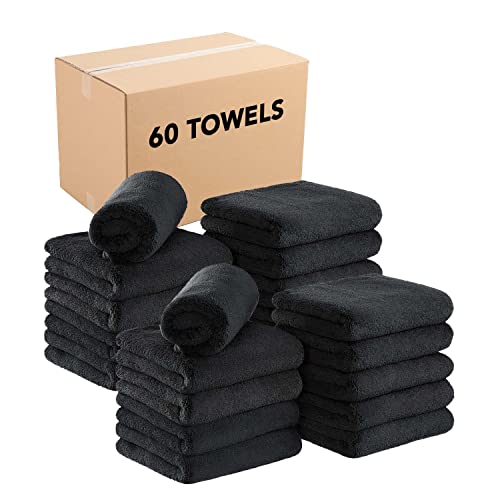
SALON TOWEL QUALITY: BCK2U Brand’s bleach-safe salon towels are made from plush, soft coral fleece microfiber. These professional bleach-safe salon towels are gentle on the skin and more absorbent than typical salon towels. Our larger 16x27” salon towels are packed in a convenient retail-ready belly band for impulse sales in the salon. These towels will match any salon or home bath decor. Buy a convenient 10-pack for personal use or a bulk case of 80 towels for your salon or barber shop.

Salon Towels Full Terry end to end no dobby size 16X26

What You Will Get: you will receive 100 pack large black salon towels, each measures about 16 x 27 inches, enough quantity and large size to meet your various usage and replacement needs, these salon towels are easy to dry quickly, absorbent and comfortable, these soft towels will provide you with a better user experience; You can also share it with your family or friends
Deep Condition Weekly

Beyond proper drying techniques, regular deep conditioning serves as your hair's weekly nutrition boost. Just like your body needs consistent nourishment, your hair requires deep conditioning treatment to maintain its strength and prevent those pesky split ends from forming.
To make the most of your weekly ritual, select deep conditioning masks that contain powerhouse ingredients like keratin, argan oil, or shea butter. These ingredients work together to repair damaged hair while restoring essential moisture to your strands. If you're looking to amplify your results (and who isn't?), try using heat-activated treatments that penetrate deeper into your hair shaft.
You'll notice immediate improvements in your hair's elasticity when you stick to a weekly conditioning schedule. Your strands will become more resistant to breakage, and you'll see a notable increase in shine – think of it as your hair's way of saying "thank you." Make this commitment to healthy hair, and you'll find yourself dealing with fewer split ends over time. Remember, consistency is key; skipping your weekly deep conditioning session is like missing a crucial vitamin for your hair's health.
Recommended Products

Braziliss Kerat-In Amino Complex 3-Step System: Includes Clarifying Shampoo (Step 1), Progressive Smoothing Treatment (Step 2), and Intensive Hair Mask (Step 3) for professional hair care results.

IMMEDIATE RESULTS AND SAFE ON COLORED HAIR!

𝐍𝐞𝐱𝐭-𝐆𝐞𝐧 𝐁𝐨𝐧𝐝 𝐑𝐞𝐩𝐚𝐢𝐫 & 𝐒𝐦𝐨𝐨𝐭𝐡𝐢𝐧𝐠 — Meet Nanoplastia, our most advanced keratin hair treatment. Powered by V2 (vegan keratin from quinoa and pea protein) plus olive fruit oil and açaí extract, it strengthens natural bonds, seals cuticles and delivers salon-grade hair straightening treatment and protein hair treatment benefits with sleek shine and softness that last 2–5 months.
Adopt Protective Sleeping Habits
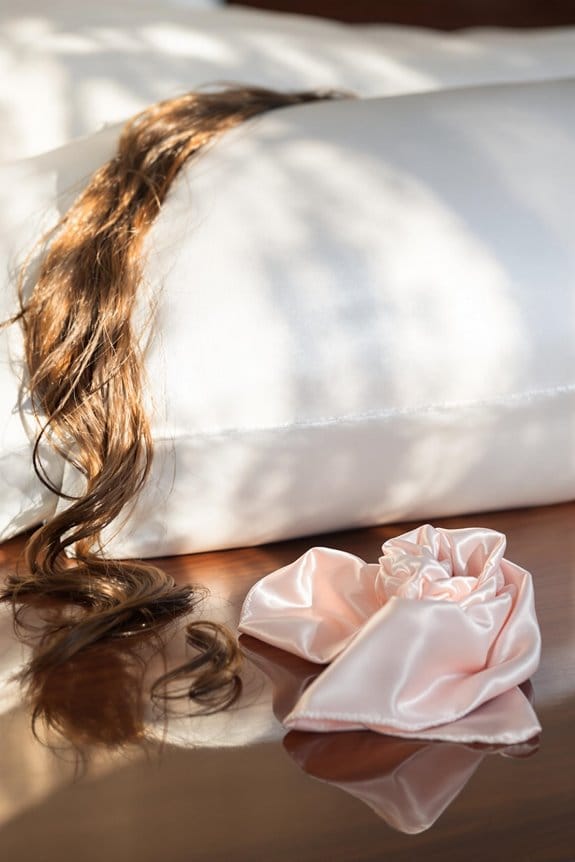
Your nighttime hair care routine plays an essential role in preventing split ends. If you're serious about maintaining healthy hair, it's time to adopt protective sleeping habits that shield your strands from unnecessary damage while you rest.
Start by swapping your regular pillowcase for a silk or satin pillowcase to minimize friction against your hair. This simple switch can greatly reduce split ends and help maintain your hair's natural moisture. Before hitting the pillow, apply a leave-in conditioner or hair oil to nourish hair overnight, allowing these products to work their magic while you sleep. For extra protection, try braiding hair or creating a loose top knot using a soft scrunchie instead of traditional elastic bands, which can cause breakage.
Consistency in your sleep schedule matters too – well-rested you means strong hair strands. Think of your nighttime routine as an investment in your hair's future. By focusing on moisture retention and minimizing movement during sleep, you'll wake up with smoother, more manageable hair that's less prone to splitting. Who knew beauty sleep could be so literal?
Embrace Protective Styling Options
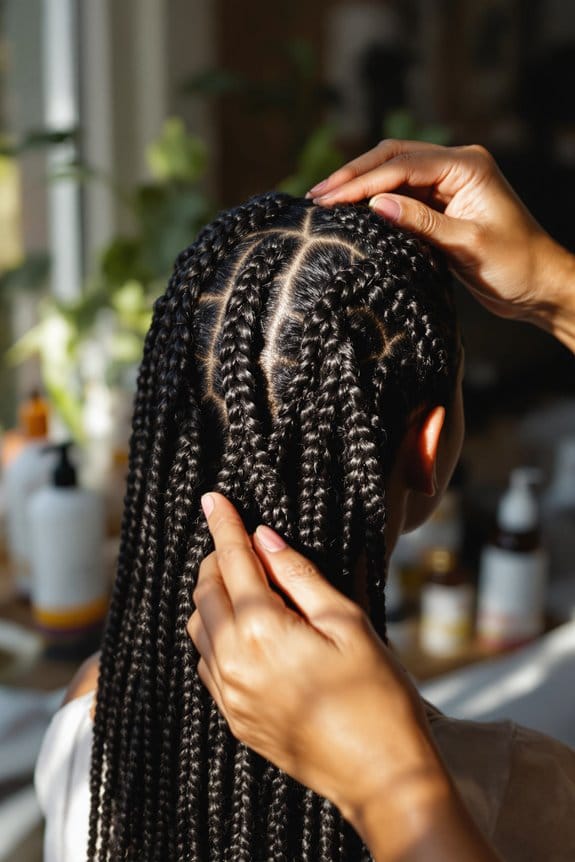
Smart styling choices can become your hair's best defense against split ends. By incorporating protective hairstyles into your daily routine, you'll greatly reduce hair manipulation and shield your strands from environmental stressors that often lead to damage. Whether you opt for braids, buns, or twists, these styles act as a fortress for your hair's health.
When selecting styling options, you'll want to make strategic choices that minimize breakage. Ditch those tight elastic bands, which can be surprisingly destructive, and replace them with gentler alternatives like soft hair ties or scrunchies. Your hair will thank you for the tender treatment! Additionally, you shouldn't stick to just one protective style – rotating between different looks helps distribute tension and gives your strands much-needed rest periods.
The beauty of protective styles lies in their dual benefits: they're not just fashionable but also functional. By keeping your hair tucked away from UV rays and harsh weather conditions, you're investing in long-term hair health. Studies show that consistent protective styling leads to healthier, stronger hair with noticeably fewer split ends, making it a smart strategy for maintaining those smooth, healthy-looking locks.
Recommended Products
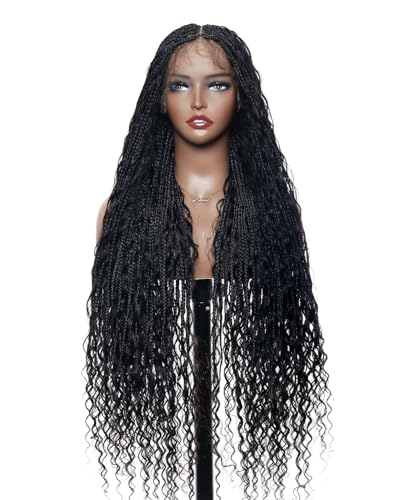
✔ Premium Human Hair Boho Curls – Effortless Beauty, Lasting Style! Tired of dealing with tangled, low-quality wigs? Our luxury bohemian wig features genuine human hair boho curls meticulously woven between durable synthetic braids, combining the best of both worlds for ultimate realism and longevity. The human hair strands ensure silky smoothness and tangle-free movement, while the lightweight synthetic structure provides exceptional durability – giving you flawless style that lasts without constant replacements.

Authentic 13x4 Closure Design: Premium lace closure creates natural scalp appearance with versatile parting & styling freedom, blending seamlessly with kinky-curly textures.
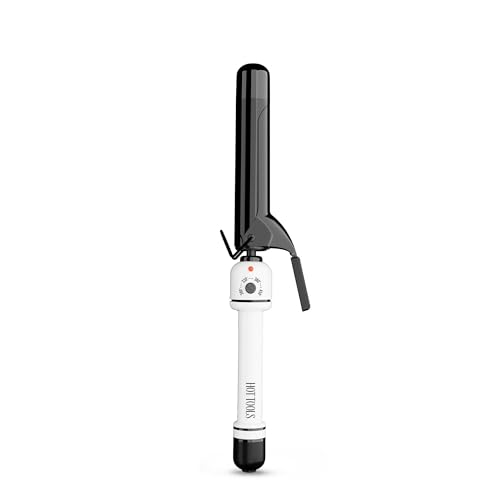
HOT TOOLS Pro Artist Nano Ceramic Curling Iron/Wand | for Smooth, Shiny Hair (1-1/4” in) (Pack of 6)
The information below is per-pack only
Frequently Asked Questions
How Do I Permanently Stop Split Ends?
You'll need regular trims, proper hair care with nourishing oils, moisture balance, and heat protection. Focus on gentle brushing, protective styles, healthy habits, diet impact, and choosing products with beneficial ingredients.
How Do I Stop Compulsively Picking My Split Ends?
Like a butterfly breaking free, you'll overcome mindless habits through stress relief techniques and distraction methods. Keep your hands busy with fidget toys, practice positive affirmations, and maintain regular hair care routines for healthier locks.
What Is the Only Way to Truly Get Rid of Split Ends?
You'll need to get regular trims, as it's the only proven way to remove split ends completely. While hair care products and prevention techniques can help minimize damage, trimming is your ultimate solution.
Can You Actually Prevent Split Ends?
While you can't completely prevent split ends, you can greatly reduce them through regular trimming, proper hair care, moisturizing techniques, protective styles, and minimizing heat damage. Your daily habits make a huge difference!